- All
- Product Name
- Product Keyword
- Product Model
- Product Summary
- Product Description
- Multi Field Search

Views: 33 Author: Site Editor Publish Time: 2026-01-26 Origin: Site


Are you choosing between EPS and EPP foam machines for your business? The decision can be more complex than it seems. These two materials—EPS and EPP—have unique characteristics that make them ideal for specific applications.
In this article, we’ll explore the differences between EPS and EPP foam machines. You’ll learn how these machines vary in design, efficiency, and performance. By the end, you’ll be equipped to select the right machine for your production needs, ensuring higher quality and more efficient processes.
| Property | EPS Foam | EPP Foam |
|---|---|---|
| Material | Expanded Polystyrene | Expanded Polypropylene |
| Strength | Moderate, suitable for single impacts | High, withstands repeated impacts |
| Flexibility | Rigid | Flexible, retains shape after compression |
| Thermal Insulation | Excellent | Good, but not as high as EPS |
| Impact Resistance | Moderate | High |
| Cost | Lower cost, more affordable | Higher cost, better long-term value |
| Recyclability | Recyclable, but less durable | Highly recyclable, long-lasting |
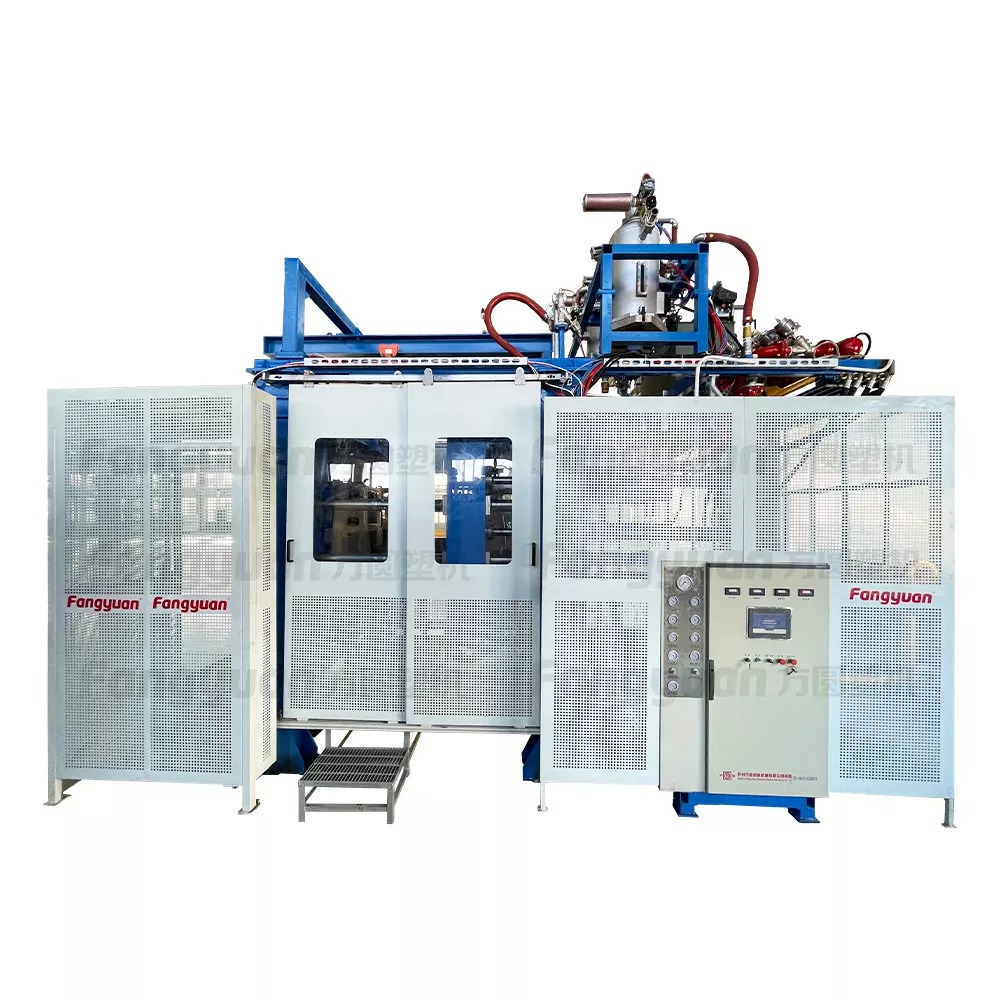
EPS foam is made from expanded polystyrene beads, which are heated and expanded into a rigid foam. Known for its excellent thermal insulation and shock absorption properties, EPS is often used in packaging materials, construction insulation, and food containers. The material's lightweight nature makes it a preferred choice for applications where energy efficiency and protection from impact are crucial.
EPS foam is a highly versatile material due to its excellent physical properties, which make it suitable for both protective and insulation uses. One of its most notable characteristics is its ability to absorb and dissipate impact energy, making it an ideal choice for packaging fragile items. It is also a cost-effective option for large-scale production, making it widely used in industries where budget considerations are important.
Common applications:
Packaging for fragile electronics, glassware, and perishables, ensuring safe transport without damage.
Building insulation, including wall panels and roofing, to help conserve energy and improve building performance.
Food containers, such as take-out trays and coolers, to maintain temperature and prevent contamination.
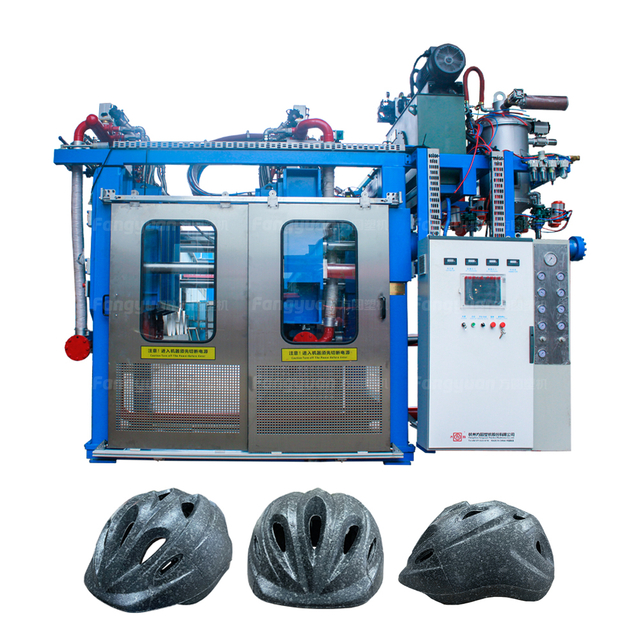
EPP foam, made from expanded polypropylene beads, is known for its high resilience, impact resistance, and flexibility. The foam offers superior performance in environments where repeated impacts and extreme temperatures are common. EPP is commonly used in automotive components, reusable packaging, and energy-absorbing applications. Unlike EPS, EPP maintains its shape even after multiple compressions, offering excellent long-term durability.
EPP is particularly beneficial in applications requiring strength combined with flexibility. It is lightweight, but its superior impact resistance and ability to withstand deformation make it an ideal choice for industries like automotive manufacturing and sports equipment. Furthermore, EPP’s ability to withstand harsh chemicals and high temperatures makes it a top contender in demanding environments.
Common applications:
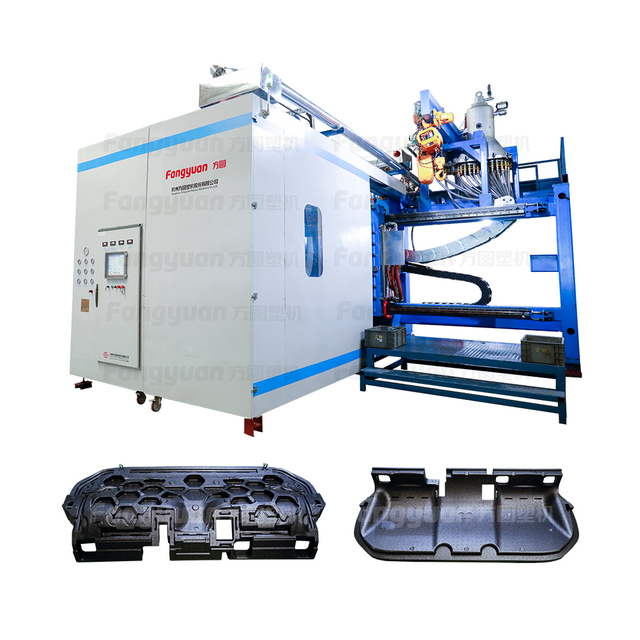
Automotive bumpers, energy-absorbing parts, and seat cores, where the foam needs to maintain resilience even under impact.
Reusable packaging, including transport trays and inserts, that can withstand multiple cycles of use without degradation.
Protective gear and sports equipment, where safety and durability are critical factors.
| Factor | EPS Machine | EPP Machine |
|---|---|---|
| Production Efficiency | High for simple applications | High for impact-resistant products |
| Post-Processing Time | Longer due to rigid foam | Requires controlled post-drying for part stabilization |
| Drying Room Requirement | Not required | Essential drying room required for moisture removal and dimensional stabilization |
Both EPS and EPP machines require precise control over temperature and pressure to produce high-quality foam products. In the case of EPS, temperature control is less complex, and the foam requires less heat to expand properly. For EPP, however, higher pressures are needed to maintain the foam’s flexibility and resilience. This difference directly affects the final product's strength, elasticity, and ability to resist damage over time.
The molding pressure for EPP is significantly higher, and controlling it accurately is essential for achieving the material’s high durability and impact resistance. Temperature, too, plays a crucial role in ensuring the foam’s integrity during the molding process. By managing both temperature and pressure effectively, manufacturers can ensure the foam performs as intended in its final application.
In practice, EPP molding cycles are typically longer than EPS cycles, mainly because EPP parts require sufficient heat input and controlled cooling to achieve proper bead fusion and elastic recovery. Although EPP foam is flexible, the molding process demands more time to ensure uniform fusion and internal stability.
EPS foam, by contrast, has a rigid structure and generally allows for shorter molding cycles. Once fused, EPS parts stabilize relatively quickly, which supports faster cycle times at the molding machine, especially in simple geometries and lower-impact applications.
The key difference lies not in cooling speed alone, but in process requirements. EPP molding prioritizes impact performance, resilience, and repeatability, which extends the in-mold cycle and is followed by mandatory post-drying. EPS molding prioritizes throughput and simplicity, resulting in shorter cycles but lower mechanical recovery.
EPP:
EPP parts require controlled demolding followed by a drying room process to remove residual moisture and stabilize dimensions. While this adds time after molding, it ensures consistent performance and long-term dimensional reliability.
EPS:
EPS parts generally require less post-processing. After sufficient cooling and demolding, parts can move directly to packaging or secondary operations, making EPS suitable for applications where cycle speed and simplicity are prioritized.
After molding, both EPS and EPP require cooling and demolding, but EPP’s flexibility allows for faster processes with less risk of deformation. EPS, being more rigid, can become brittle, requiring a slower demolding process to avoid cracking. This difference impacts production speeds and quality control in the final stages of manufacturing. EPP’s ability to withstand deformation during demolding makes it a more forgiving material, which is an essential consideration in industries where precision is critical.
EPP machines are ideal for industries where impact resistance and durability are essential. Automotive components, such as bumpers and crash absorbers, demand materials that can withstand multiple impacts over time. EPP provides superior impact resistance and is often chosen for these applications because it maintains its integrity even after repeated compressions. EPS, while suitable for packaging and insulation, is better for single-impact applications, making it a cost-effective option for those needs.
If your application requires superior thermal insulation, EPS is the better choice due to its excellent insulating properties. EPS foam is ideal for building insulation and food containers where maintaining consistent temperatures is crucial. EPP, while still offering some thermal resistance, excels in applications where both temperature resilience and mechanical strength are necessary.
EPP foam offers better recyclability and environmental sustainability. It is a highly durable material, making it ideal for long-term use. EPP’s ability to endure repeated impact cycles without degradation also contributes to its environmental benefits. EPS foam, while recyclable, has a more significant environmental footprint due to its less durable nature and higher waste production in the molding process. As industries become more eco-conscious, the sustainability of materials like EPP becomes an increasingly important consideration. Learn more about advanced EPP and EPS recycling machinery and techniques to support sustainable foam production.
Tip: If sustainability is a key factor in your decision-making, EPP may be the better option due to its superior recyclability and long-term durability.
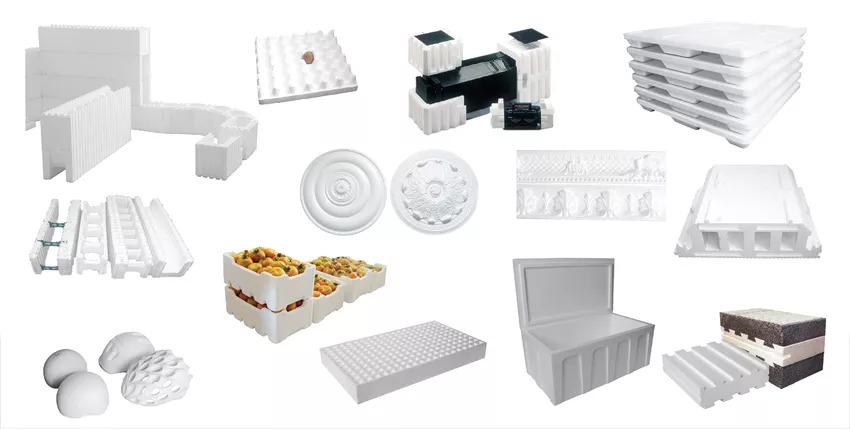
EPS machines are cost-effective, especially for high-volume, disposable applications. Their lower initial investment and simple design make them an attractive option for companies looking to produce foam products at a large scale. EPS machines also offer faster production speeds due to their more straightforward design. This makes EPS machines particularly suitable for industries that need to maximize production volume while minimizing costs.
EPP machines, while more expensive due to their higher processing requirements, offer better long-term value. Their durability and ability to produce high-performance products with greater efficiency result in lower replacement costs and longer service lives. This makes EPP machines a better investment in the long run for applications requiring repeated use and high resilience.
Tip: Consider the long-term cost savings of an EPP machine if your products require durability and reusability, such as automotive parts or reusable packaging.
| Cost Factor | EPS Machine | EPP Machine |
|---|---|---|
| Initial Investment | Lower cost | Higher cost |
| Production Efficiency | High for large volume, low-cost products | Higher efficiency but requires investment |
| Long-Term Value | Suitable for single-use products | Higher long-term value, durable and reusable |
| Maintenance Costs | Lower due to simpler design | Higher maintenance due to advanced systems |
Modern EPS and EPP machines use advanced automation technologies, including PLC (Programmable Logic Controllers) and HMI (Human-Machine Interfaces). These technologies improve precision, reduce human error, and enhance production efficiency by controlling temperature, pressure, and other parameters automatically. Automation also helps reduce labor costs and ensures consistent product quality, which is critical in high-volume production settings.
Regular maintenance of EPS and EPP machines ensures they operate efficiently and at optimal performance. Ensuring that the steam control systems, heating mechanisms, and cooling processes are regularly inspected and calibrated can prevent costly downtime and maintain high production quality. For EPP machines, routine checks on pressure systems and locking mechanisms are essential for ensuring long-term reliability and performance.
Understanding the differences between EPS and EPP foam machines is essential for selecting the right equipment for your production needs. EPS machines offer a cost-effective solution for high-volume, low-impact applications. However, EPP machines provide superior durability, impact resistance, and long-term value. By evaluating your application requirements, whether in packaging, automotive, or insulation, you can make a well-informed decision that enhances both production efficiency and product quality.
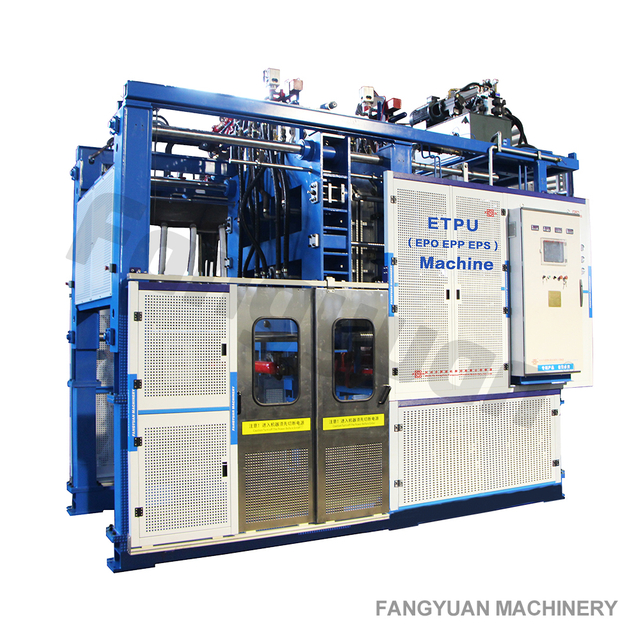
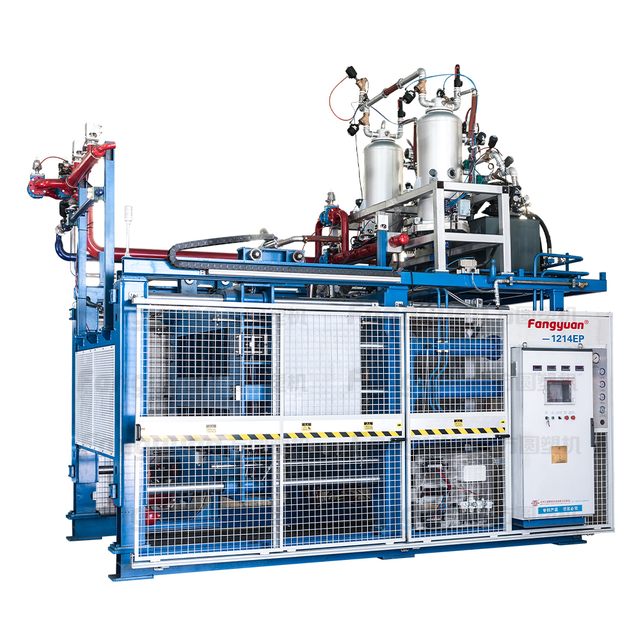
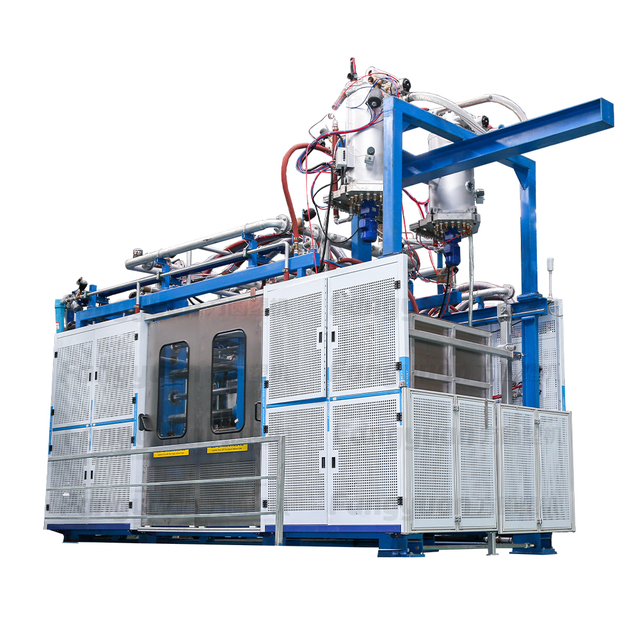
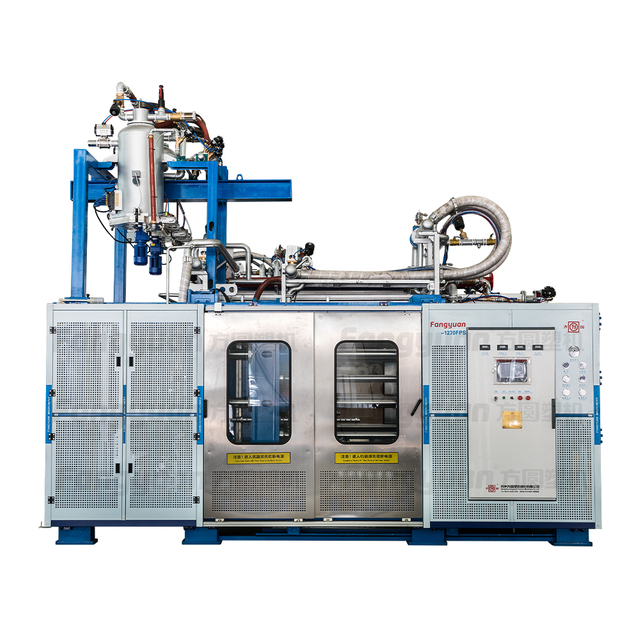
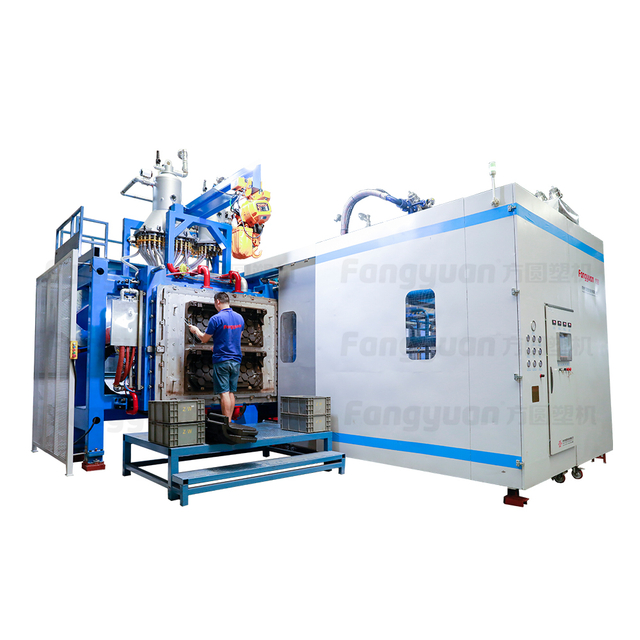
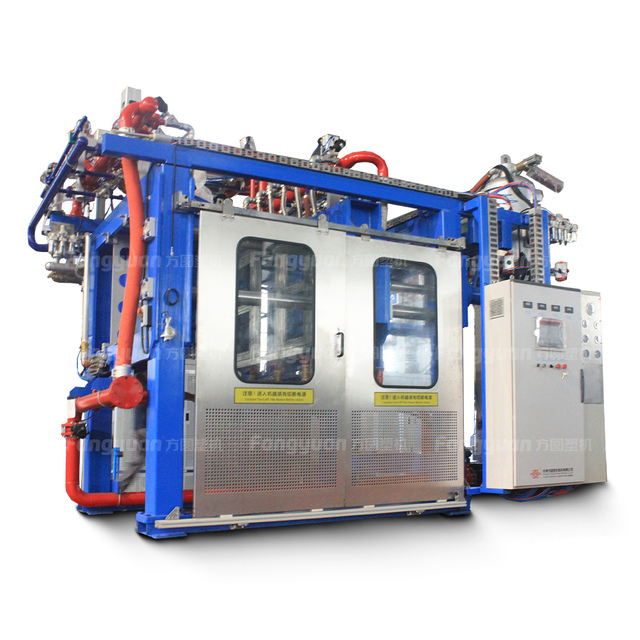
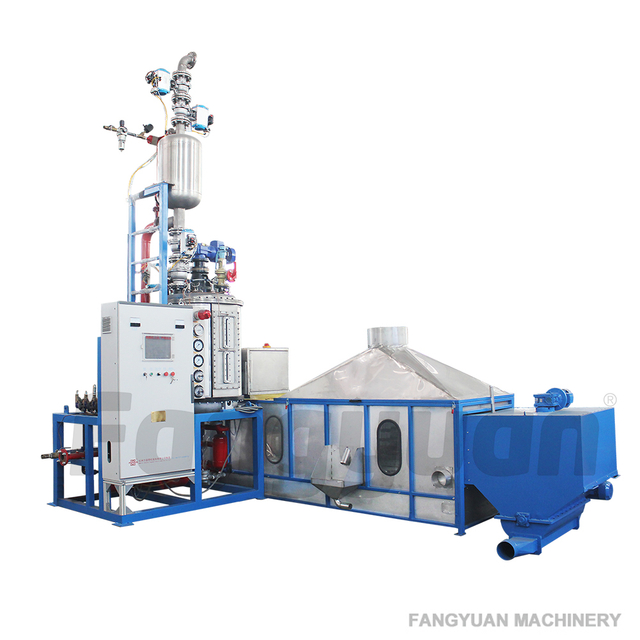
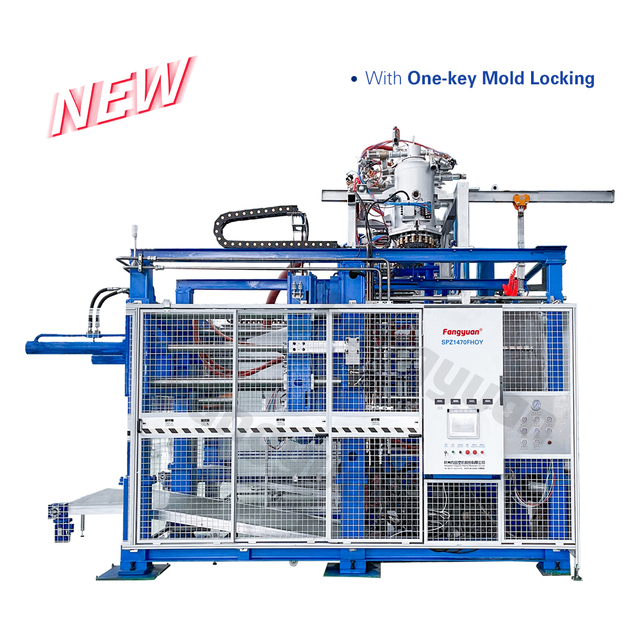
For industries seeking high-performance solutions, Fangyuan provides foam molding machines designed to meet the toughest demands. Their products offer exceptional value with advanced features that improve durability and efficiency.
A: EPS machines are designed for high-volume, low-impact production, while EPP machines provide superior durability and impact resistance for high-performance applications.
A: While both machines mold foam, EPS machines are better suited for packaging and insulation, while EPP machines excel in automotive and energy-absorbing parts.
A: EPP machines typically have a higher initial cost due to advanced features but offer long-term value through better performance and durability.
Q: Why do EPP molding cycles usually take longer than EPS cycles?
A: EPP molding requires more controlled heat input and cooling to achieve proper bead fusion and elastic recovery. In addition, EPP parts must undergo post-drying, which extends the overall production cycle compared to EPS.
Q: Is a drying room required for EPS and EPP machines?
A: A drying room is not required for EPS production, but it is essential for EPP parts. EPP products retain internal moisture after molding and must be dried to ensure dimensional stability and consistent performance.