- All
- Product Name
- Product Keyword
- Product Model
- Product Summary
- Product Description
- Multi Field Search

Views: 51 Author: Site Editor Publish Time: 2026-03-13 Origin: Site


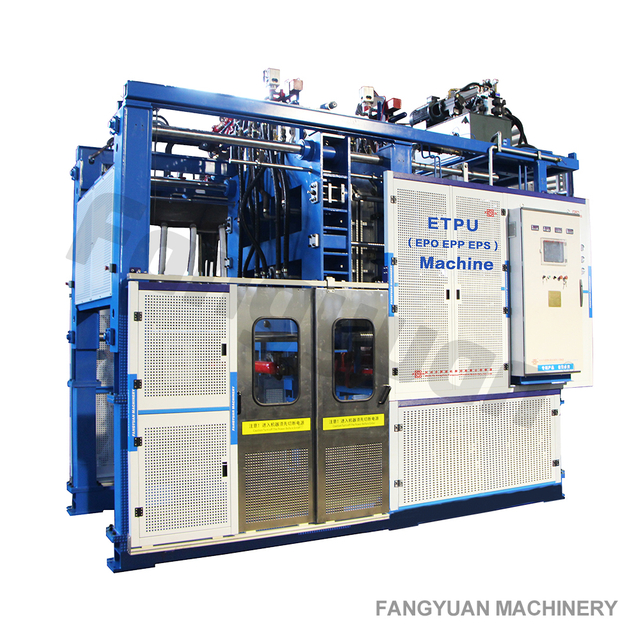
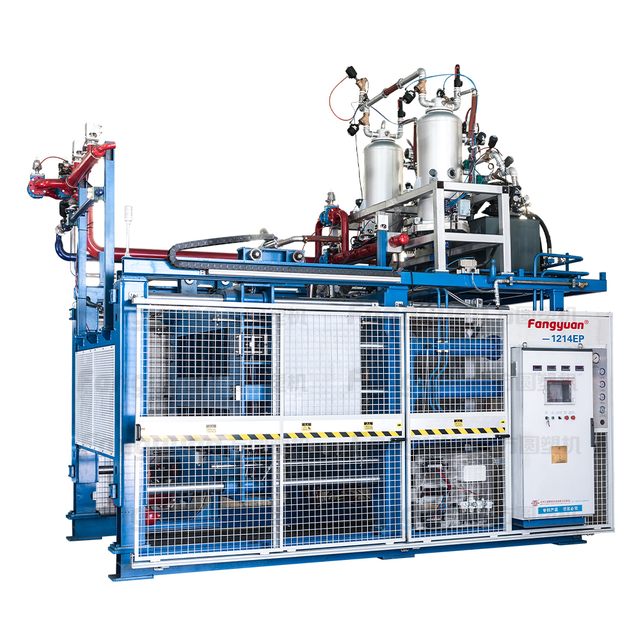
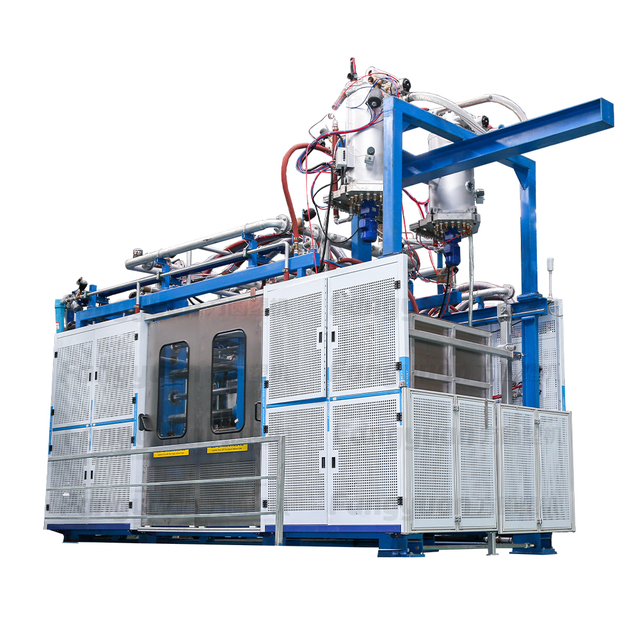
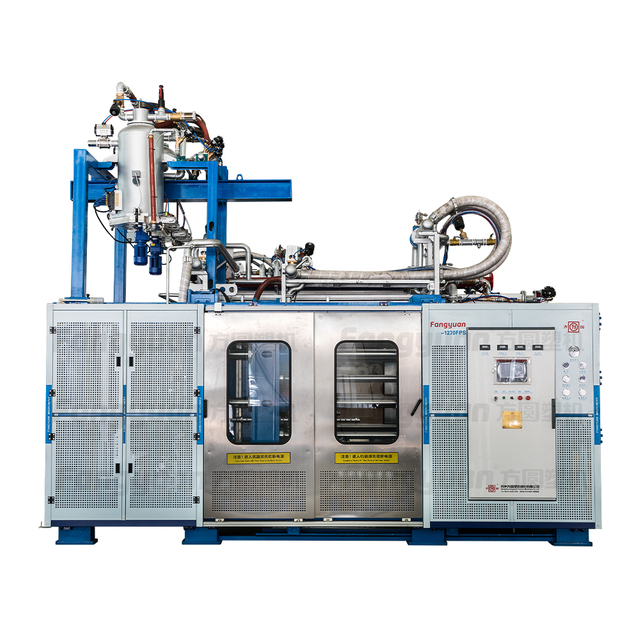
Have you ever wondered how modern manufacturing produces lightweight yet durable parts? The EPP machine is the key to this transformation. It molds Expanded Polypropylene (EPP), a material that offers shock absorption, energy efficiency, and recyclability.
In this article, we’ll explore how the EPP machine works and its role in creating high-quality products. You’ll learn about the key features and benefits that make these machines indispensable in industries like automotive, packaging, and more.
| Stage | Description | Key Technology Used | Purpose |
|---|---|---|---|
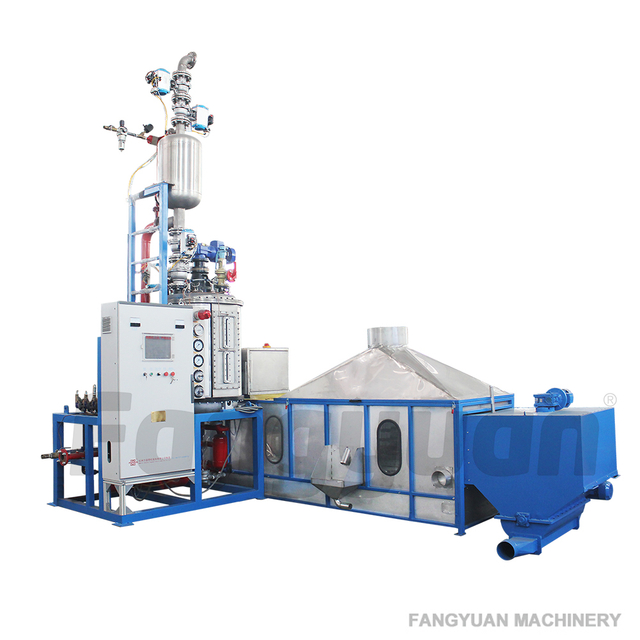
| EPP Pressure Carry Tank | In the EPP pressure carry tank, EPP particles are placed in a compression vessel and maintained at 0.4-0.6 MPa pressure for more than 8 hours to increase internal pressure, which promotes better adhesion between particles during later foaming. Multiple compression vessels may be used depending on the factory's needs. | Compression vessel | Prepares the EPP particles by enhancing internal pressure for proper bonding. |
| Molding | Expanded EPP beads are injected into molds and fused under high heat and pressure. | High-pressure steam, Vacuum system | Achieves the desired shape and density of the final product. |
| Cooling | The molded parts are cooled and solidified to retain their shape. | Cooling channels, Water circulation | Stabilizes the molded material, reducing cycle times. |
| Demolding | The cooled parts are removed from the mold, ready for further processing. | Automated mold opening system | Ensures easy removal of the product without damage. |
| Drying Room | After demolding, the parts are placed in the drying room to remove any residual moisture. | Drying room | Essential for ensuring that the EPP parts are properly dried, preventing defects. |
| Finishing | Additional treatments such as trimming or surface finishing may be applied. | Trimming machines, Surface finishers | Prepares the part for final use, ensuring proper fit and finish. |
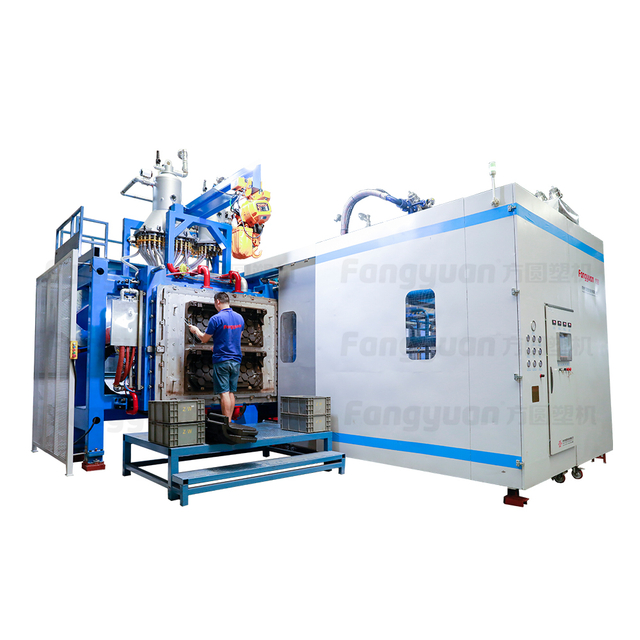
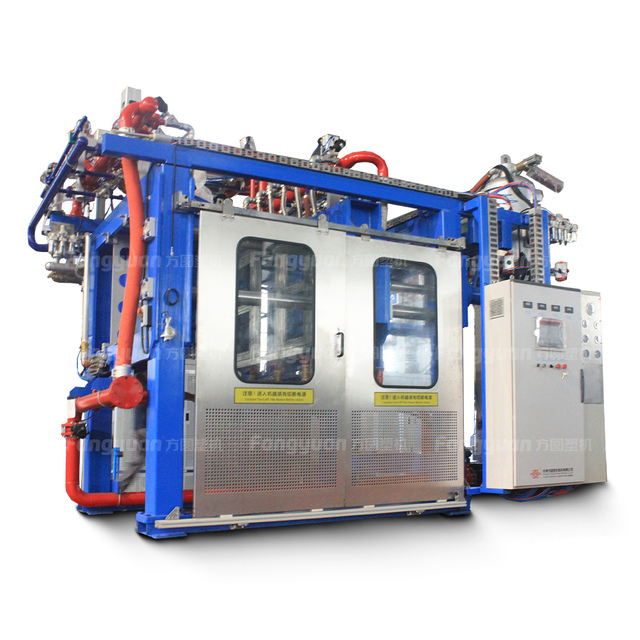
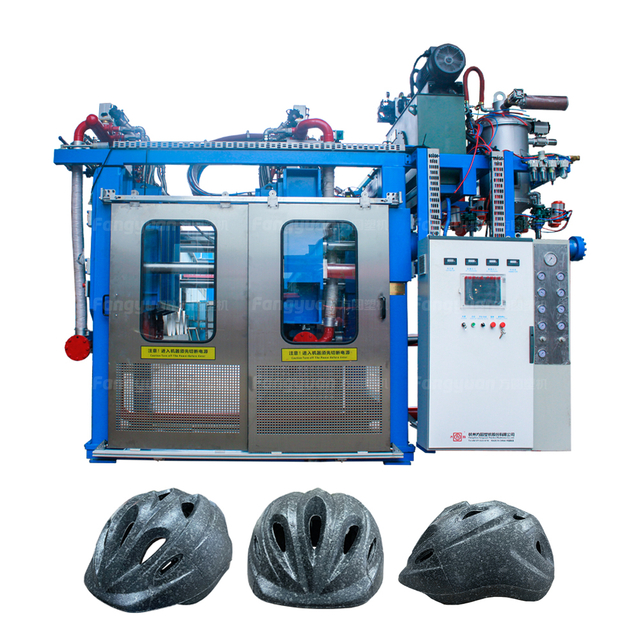
Once the EPP material is pre-expanded, the next step is the molding process. The EPP machine uses a combination of heat and pressure to fuse the expanded beads into the desired shape. High-pressure steam is injected into the mold, causing the EPP beads to further expand and fuse. This pressure helps the material achieve the necessary density and strength, which is critical for producing high-quality, durable components. The heat softens the EPP beads, allowing them to fuse together and form a solid, cohesive structure.
In addition to steam, the mold may also be subjected to a vacuum to remove any air trapped inside the material. This ensures that the final product has a uniform density and is free from voids or imperfections. The combination of high temperature, pressure, and vacuum results in a perfectly molded EPP product that meets strict dimensional and performance standards, whether it’s for automotive, packaging, or other applications.
One of the standout features of EPP molding machines is their high level of automation. These machines are designed to operate with minimal human intervention, boosting production efficiency and consistency. The entire molding process, from feeding the material into the mold to demolding the finished part, is controlled through a programmable logic controller (PLC).
Automation helps manufacturers achieve consistent quality and reduces the risk of human error. This is particularly important in industries like automotive manufacturing, where precision and consistency are essential for meeting safety standards and customer expectations. Automated systems also ensure that machines operate at optimal conditions, reducing downtime and improving overall productivity.
Tip: For manufacturers looking to improve operational efficiency, investing in automated EPP molding machines can significantly reduce labor costs and improve production consistency, making it a worthwhile long-term investment.
The accuracy of temperature and pressure control is vital in the EPP molding process. EPP machines are equipped with sophisticated sensors and control systems that regulate the temperature and pressure during molding. This ensures that the EPP beads melt and fuse uniformly, resulting in a consistent product with the desired properties, such as strength, durability, and surface finish.
Maintaining precise control over the molding conditions also reduces the risk of defects such as inconsistent density, poor surface quality, or shrinkage during cooling. High-quality EPP machines offer adjustable settings, allowing manufacturers to customize the process for different products. The ability to fine-tune temperature, pressure, and cycle times enables the production of a wide range of EPP parts, from lightweight packaging materials to high-strength automotive components.
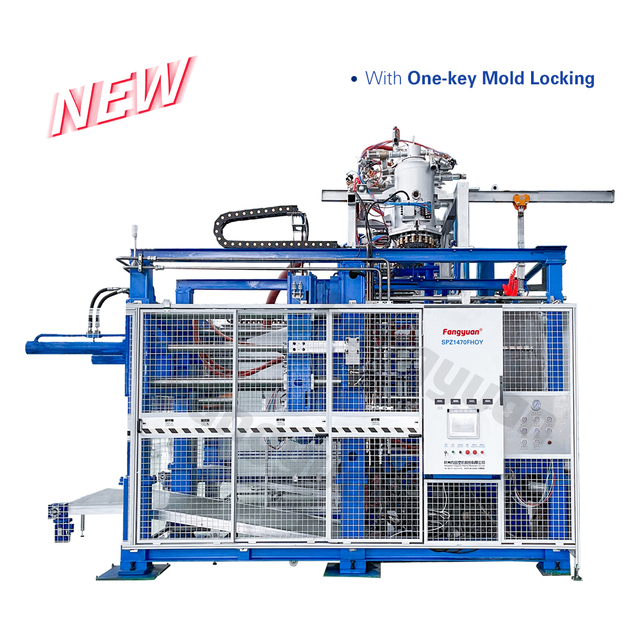
Modern EPP molding machines come with user-friendly interfaces that allow operators to set and monitor parameters easily. These interfaces are typically equipped with touchscreen displays and real-time data tracking, making it easier to manage production. Operators can adjust settings, monitor machine performance, and even receive alerts for potential issues, reducing the risk of downtime.
The machine’s automated features extend to the maintenance and diagnostics as well. For example, automatic cleaning and lubrication systems help ensure the machine runs smoothly without requiring constant manual intervention. This automation not only reduces labor costs but also contributes to the longevity of the equipment, helping manufacturers save on maintenance costs over time.
Efficient cooling and vacuum systems are crucial for ensuring high-quality production. After the molding process, the molded EPP parts need to cool down to solidify and retain their shape. A well-designed cooling system ensures that the mold temperature is quickly lowered, reducing cycle times and improving production efficiency.
In addition to cooling, the vacuum system helps remove any residual moisture or air trapped inside the mold. This process is essential for achieving a high-quality finish, as trapped air or moisture can lead to defects such as bubbles or uneven surfaces. By using advanced cooling and vacuum systems, EPP machines can produce parts with consistent quality, ensuring that each part meets the required specifications.
| Benefit | Explanation | How It Improves Production | Example Application |
|---|---|---|---|
| Minimized Waste | Precise control of material usage reduces excess waste. | Reduces costs by using only the required material. | Automotive parts, packaging materials. |
| Increased Efficiency | Automated systems speed up production and reduce downtime. | Maximizes output and minimizes operational delays. | High-volume production lines. |
| Cost Savings | Lower labor costs and fewer defects lead to reduced overall expenses. | Allows for greater profitability with reduced rework. | Electronics packaging, automotive components. |
| Customization | Machines can create custom shapes and densities, meeting specific customer needs. | Offers flexibility to cater to diverse market demands. | Custom-fit packaging, unique automotive parts. |
| Sustainability | EPP’s recyclability and the efficient use of material contribute to eco-friendly practices. | Supports green manufacturing initiatives. | Insulation materials, eco-friendly packaging. |
One of the key advantages of EPP molding machines is their ability to minimize material waste. Traditional manufacturing methods often result in excess materials that are discarded, adding to production costs and environmental impact. However, EPP molding uses a highly controlled process that only utilizes the exact amount of material needed, ensuring minimal waste.
Additionally, EPP is a recyclable material, which adds an environmental benefit to the process. The precise control over material usage not only helps reduce costs but also aligns with sustainability goals. Manufacturers can optimize material use, ensuring that products are made with minimal environmental impact.
EPP machines are designed for high-throughput production, allowing manufacturers to produce large quantities of parts in a short amount of time. This efficiency helps businesses meet growing demands and tight deadlines. Automated processes and precise control reduce the need for manual labor and the likelihood of defects, ultimately lowering production costs.
Manufacturers can also achieve faster turnaround times, which is crucial in industries like automotive, where time-to-market is critical for maintaining competitiveness. Faster production cycles lead to greater profitability, as manufacturers can produce more parts with less downtime.
Another significant benefit of EPP molding machines is their ability to create custom shapes and sizes. This flexibility makes them suitable for various industries that require specialized components. For example, in the automotive industry, EPP is used to produce parts such as seat cores and energy-absorbing blocks, which require precise specifications.
The machines can be programmed to mold different densities and shapes based on the product requirements, making them ideal for producing both standard and custom components. This versatility allows manufacturers to cater to a wide range of customer needs, enhancing their competitive advantage.
| Industry | EPP Application | Key Benefits | Example Components |
|---|---|---|---|
| Automotive | Used in parts like bumpers, seat cushions, and energy-absorbing components. | Impact resistance, weight reduction, safety. | Bumper energy absorbers, car seat cores. |
| Packaging | Ideal for protective packaging of fragile items such as electronics. | Shock absorption, lightweight, and customizable. | Packaging for electronics, fragile glass. |
| Sports Protection | Used in helmets, pads, and other protective gear to absorb impacts. | Excellent shock absorption, injury reduction. | Helmets, knee and elbow pads. |
| Construction | Used for insulation panels with excellent thermal resistance. | Thermal insulation, lightweight, energy-efficient. | Wall insulation panels, roofing components. |
| Consumer Goods | Used in toys, appliances, and other lightweight, durable products. | Cost-effective, durable, and versatile. | Lightweight toys, home appliance parts. |
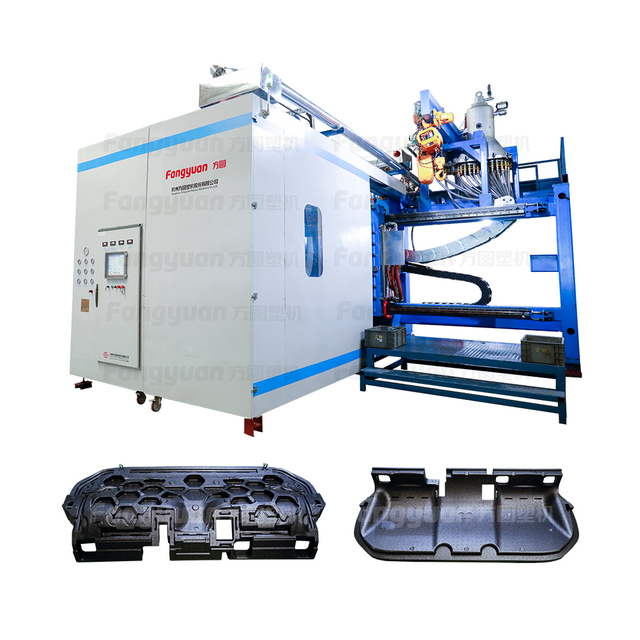
EPP is widely used in the automotive industry for components like bumpers, seat cushions, and door panels. These parts must meet strict performance criteria, such as impact resistance, weight reduction, and energy absorption. EPP molding machines provide the precision needed to create these components consistently, ensuring that they perform well under stress while maintaining a lightweight structure.
For example, energy-absorbing EPP foam is used in automotive bumpers to reduce the force of impact during a collision, enhancing passenger safety. The lightweight nature of EPP also helps reduce the overall weight of the vehicle, contributing to fuel efficiency and lowering carbon emissions.
In the packaging industry, EPP is valued for its shock-absorbing properties, making it ideal for protecting delicate items during transport. Custom EPP molds can be created to fit the exact dimensions of the products being packaged, ensuring maximum protection.
For instance, electronics manufacturers often use EPP for packaging fragile components like screens and circuit boards. The material’s ability to absorb impact and its lightweight nature make it the perfect solution for shipping high-value items safely. Customization ensures that the packaging fits the products perfectly, reducing the risk of damage during transit.
Beyond automotive and packaging, EPP molding machines are also used in sports protection, construction, and consumer goods. In the sports industry, EPP foam is used in helmets and pads to absorb shock and reduce the risk of injury. In construction, EPP is used for insulation panels due to its excellent thermal resistance and lightweight properties.
| Feature | Why It’s Important | Impact on Manufacturing Process | Example of Use |
|---|---|---|---|
| Precision Control | Ensures uniformity in molding for consistent product quality. | Reduces defects and variability in parts. | Automotive parts, custom packaging. |
| Advanced Automation | Reduces manual intervention, improving production efficiency. | Increases throughput and reduces downtime. | High-volume production lines. |
| Energy Efficiency | Reduces operational costs and supports sustainability goals. | Lowers utility bills and carbon footprint. | Production of insulation panels. |
| Flexibility | Allows for customization to meet specific production needs. | Increases ability to cater to diverse market demands. | Custom packaging, specialized automotive parts. |
| Maintenance Requirements | Long-term savings through low maintenance and easy servicing. | Increases machine lifespan and reduces downtime. | Machines with automated diagnostics and cleaning systems. |
When choosing an EPP machine, it is essential to consider the production volume and the complexity of the parts being manufactured. High-volume production requires machines that can handle large batches quickly and efficiently, while custom parts may require machines with more flexible settings and capabilities.
The machine’s ability to produce consistent quality is also crucial. Look for machines with advanced control systems that allow for precise adjustments to temperature, pressure, and cycle times. Machines with the ability to process a variety of densities and shapes will offer greater flexibility.
Energy efficiency is an important factor when selecting an EPP molding machine. Machines that use advanced steam control systems and energy-saving technologies can significantly reduce operating costs. Additionally, choosing EPP machines that are designed to minimize waste and recycle materials can help align with environmental sustainability goals.
By selecting machines with low energy consumption and recyclable material usage, manufacturers can not only reduce costs but also contribute to a greener production process.
EPP machines are long-term investments, so it is crucial to consider their durability and maintenance needs. Machines with automated cleaning and diagnostic systems tend to have lower maintenance costs and longer lifespans. Regular maintenance, proper operator training, and choosing high-quality components will help ensure smooth operations and reduce downtime over the machine's life cycle.
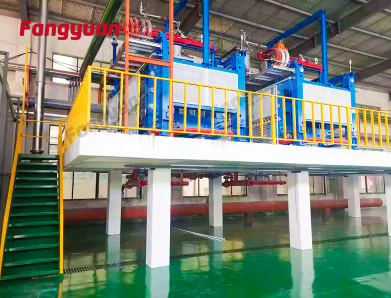
As demand for environmentally friendly products grows, EPP molding machines are helping manufacturers adopt more sustainable production practices. EPP itself is a recyclable material, and modern EPP machines are designed to reduce waste and optimize material usage, contributing to a more sustainable manufacturing process.
Manufacturers that invest in these energy-efficient and environmentally-friendly machines will find themselves ahead of the curve, meeting the growing demand for eco-conscious products while maintaining high production standards.
Looking ahead, EPP molding technology is expected to see further innovations. The integration of smart manufacturing systems, artificial intelligence, and advanced sensors will enhance the capabilities of EPP machines, improving efficiency, precision, and customization options.
These technological advancements will allow manufacturers to produce even more complex parts with greater speed and accuracy, further reducing costs and enhancing their competitive edge in the market.
EPP molding machines are vital for modern manufacturing, offering efficiency, precision, and versatility across various industries. These machines utilize high-pressure steam, automation, and precise controls to create lightweight, durable products. As businesses prioritize sustainability and efficiency, the demand for EPP machines continues to rise. Companies like Fangyuan provide high-quality EPP molding machines that enhance production efficiency and deliver exceptional value with their innovative designs and reliable service.
A: An EPP machine uses high-pressure steam and advanced automation to mold expanded polypropylene (EPP) beads into lightweight, durable products, ensuring efficiency and consistency.
A: EPP machines provide high precision, reduce material waste, improve production efficiency, and offer versatility across industries like automotive, packaging, and construction.
A: Investing in an EPP molding machine ensures consistent product quality, faster production cycles, and lower costs, while also meeting sustainability goals through efficient material use.
A: EPP machines create a wide range of products, including automotive components, packaging materials, insulation panels, and sports protection gear.
A: The cost of an EPP machine varies depending on size, features, and automation levels, but investing in high-quality machines improves long-term efficiency and reduces operational costs.
A: Yes, EPP machines are highly customizable, allowing manufacturers to adjust settings for different densities, shapes, and sizes to meet specific product requirements.