- All
- Product Name
- Product Keyword
- Product Model
- Product Summary
- Product Description
- Multi Field Search

Views: 15 Author: Site Editor Publish Time: 2026-04-14 Origin: Site


Expanded Polypropylene (EPP) has become an essential material in modern automotive design, providing numerous benefits across various vehicle components. Its lightweight, durable, and energy-absorbing properties make it ideal for applications ranging from bumpers to headrests. As automotive manufacturers continue to focus on improving vehicle safety, efficiency, and sustainability, EPP has emerged as a key material in both exterior and interior vehicle parts. In this article, we explore the role of EPP in automotive systems and its applications in different vehicle components.
Expanded Polypropylene (EPP) is a type of polypropylene foam that is manufactured by expanding the polymer beads under heat and pressure. EPP is a thermoplastic material known for its lightweight nature, excellent energy absorption, and high resilience. These properties make it a versatile material in the automotive industry, especially in areas where crash energy management and weight reduction are crucial. Unlike traditional foam, EPP maintains its strength and shape even after multiple impacts, making it ideal for applications that require durability and long-lasting performance.
The primary properties of EPP that make it suitable for automotive applications include:
· Lightweight: EPP is about 30% lighter than other plastic foams, reducing the overall weight of the vehicle and contributing to improved fuel efficiency.
· Durable: EPP has a high level of impact resistance and resilience, allowing it to retain its shape even after repeated impacts.
· Energy-Absorbing: The material has excellent energy absorption properties, helping to absorb crash energy and reduce the risk of damage to the vehicle’s structure.
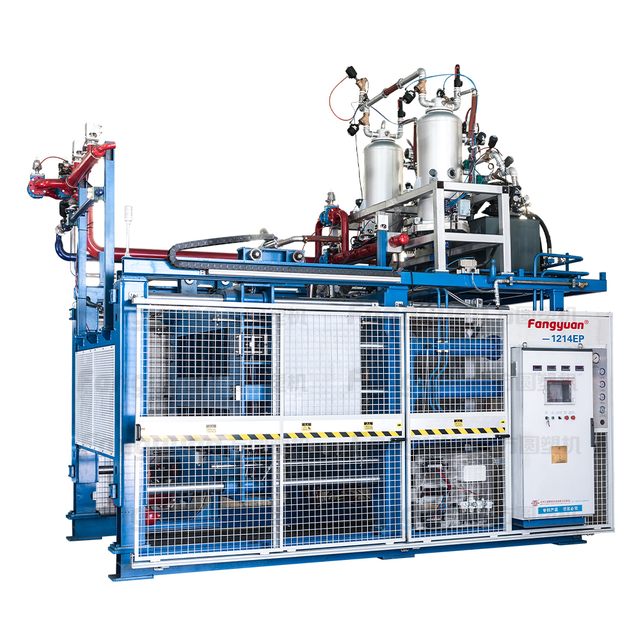
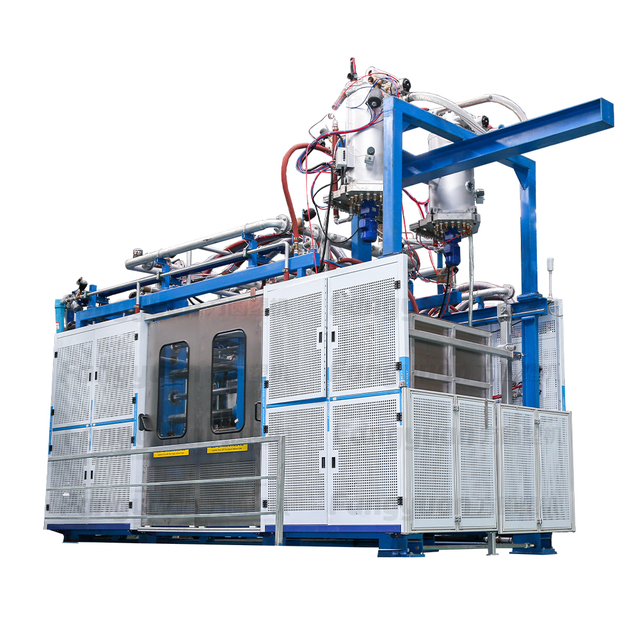
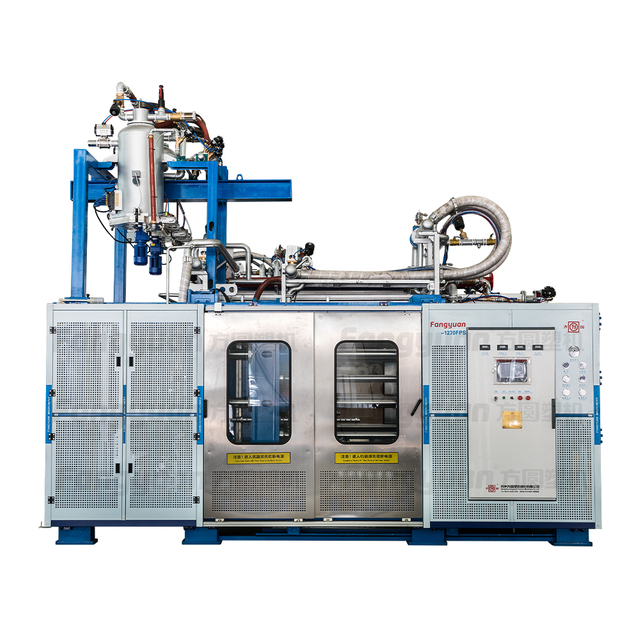
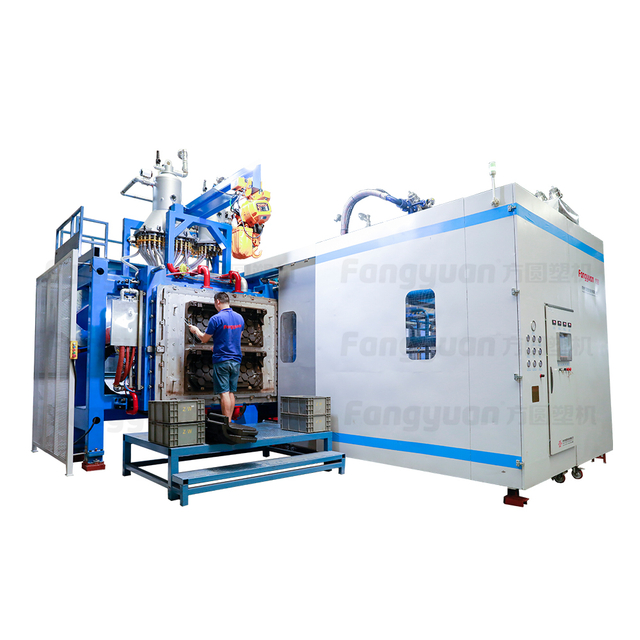
The manufacturing process of EPP involves the expansion of polypropylene beads through a process known as steam chest molding. The beads are first pre-heated and then expanded with the help of steam, forming a foam structure. The foam is then molded into various shapes and sizes depending on the application. This manufacturing method allows for precise control over the density and size of the foam, making EPP highly customizable for automotive components.
Property | Benefit in Automotive Systems |
Lightweight | Reduces overall vehicle weight, improving fuel efficiency |
Durable | Maintains structural integrity after multiple impacts |
Energy-Absorbing | Absorbs crash energy, enhancing vehicle safety |
One of the primary benefits of EPP in automotive systems is its energy efficiency. EPP’s excellent thermal insulation properties help to maintain the internal temperature of the vehicle, reducing the need for air conditioning or heating. This leads to significant fuel savings, especially in electric vehicles, where energy efficiency is crucial. By reducing the need for additional power to regulate internal temperatures, EPP contributes to lower energy consumption and extends the vehicle's range. The insulation properties also reduce the load on heating and cooling systems, resulting in long-term cost savings for vehicle owners.
Another significant advantage of EPP is its ability to reduce noise within the vehicle. The material’s structure allows it to absorb sound waves, making it an excellent choice for soundproofing vehicle interiors. Whether it’s road noise, engine noise, or vibrations, EPP helps create a quieter and more comfortable driving experience. By incorporating EPP into parts such as door panels, floor mats, and headliners, automotive manufacturers can significantly reduce the amount of noise that enters the vehicle cabin, enhancing overall ride comfort.
EPP is not only lightweight but also extremely durable and resistant to various external factors such as temperature fluctuations, moisture, and UV rays. The material’s inherent resilience ensures that it can withstand harsh weather conditions without losing its strength or shape. This durability is particularly beneficial in automotive bumpers and fenders, where the material must endure frequent exposure to weather elements and external impacts. Furthermore, EPP’s high resistance to chemicals and environmental stress makes it an ideal material for automotive applications that require long-lasting performance in demanding conditions.
Bumpers are critical safety components in vehicles, designed to absorb impact and reduce damage during low-speed collisions. EPP has become an integral part of bumper design due to its energy-absorbing properties. The material can absorb the energy from a collision and redistribute it, thereby reducing the amount of damage to the vehicle structure. EPP bumpers are often used in both front and rear bumpers to improve vehicle safety and minimize repair costs after minor accidents.
· Crash Energy Absorption: EPP’s ability to absorb crash energy helps to minimize vehicle damage during impacts, reducing repair costs.
· Durability and Cost-Effectiveness: The material’s durability ensures that bumpers maintain their performance over time without degrading, making EPP bumpers cost-effective in the long run.
· Customization: EPP allows for the design flexibility needed in bumper manufacturing, enabling manufacturers to create components that meet specific performance and aesthetic requirements.
Headrests are an essential component in automotive safety systems, as they help prevent whiplash injuries in the event of rear-end collisions. EPP’s energy-absorbing properties make it an ideal material for headrests, as it helps to absorb the force of impact during a collision, reducing the risk of neck and spine injuries. Additionally, EPP headrests provide comfort by offering a soft, yet firm surface for passengers to rest their heads on during long drives.
In automotive seats, EPP is used as a cushioning material, offering both comfort and safety. The material's ability to absorb impact and distribute forces makes it suitable for use in seat cushions, seat backs, and armrests. EPP’s lightweight nature helps reduce the overall weight of the vehicle, improving fuel efficiency without compromising on comfort or safety. Additionally, EPP seats offer better ergonomics and are more durable than traditional foam materials.
Door panels are often made with EPP to improve the overall performance of the vehicle’s interior. EPP helps to reduce noise levels inside the cabin by providing soundproofing benefits, while also enhancing the durability and resilience of the door panels. The material helps protect against scratches, dents, and other forms of damage, extending the lifespan of the panels and maintaining their aesthetic appeal.
EPP is also used in the exterior parts of vehicles, such as grilles and fenders. The lightweight nature of EPP reduces the overall weight of these components, contributing to improved fuel efficiency and emissions performance. By incorporating EPP into these exterior parts, manufacturers can reduce the vehicle’s overall weight, which in turn lowers energy consumption and helps meet stricter environmental regulations.
In addition to bumpers, side protection beams in vehicles are another area where EPP is used. These beams help protect the occupants of the vehicle during side-impact collisions. EPP is used in side impact protection systems due to its ability to absorb energy and redistribute the forces from a collision, reducing the risk of injury. The material also helps maintain the structural integrity of the vehicle while enhancing passenger safety.
In engine compartments, EPP is used for its thermal insulation properties. The material helps regulate the temperature within the engine area, preventing overheating and ensuring optimal engine performance. Additionally, EPP’s ability to withstand high temperatures and resist chemicals makes it an ideal material for use in engine components and under-the-hood applications.
As the automotive industry continues to focus on sustainability, recyclable EPP will play an increasingly important role in automotive design. Manufacturers are working on developing EPP materials that are not only recyclable but also made from renewable sources. These innovations will help reduce the environmental impact of automotive production and promote more sustainable manufacturing practices.
The future of EPP in automotive systems is also tied to advancements in autonomous vehicles. As vehicles become more sophisticated, EPP will be integrated into a wide range of autonomous systems to improve energy efficiency, comfort, and safety. The lightweight and energy-absorbing properties of EPP will help ensure that autonomous vehicles meet the demands of safety regulations and performance standards.
Future developments in EPP technology are expected to focus on improving the material’s performance in critical areas such as impact resistance, thermal insulation, and soundproofing. Researchers are working on creating high-performance EPP with enhanced properties that can withstand more extreme conditions, providing even greater safety and comfort for vehicle occupants.
EPP is used in automotive bumpers because it absorbs crash energy, reducing vehicle damage in low-speed collisions. Its lightweight and durable properties also contribute to overall safety and cost-effectiveness.
EPP’s energy-absorbing properties make headrests safer by reducing the force of rear-impact collisions, helping to prevent whiplash injuries. It also provides comfortable support for passengers during travel.
EPP is cost-effective due to its lightweight nature, durability, and ease of manufacturing. It also reduces fuel consumption by lowering vehicle weight and minimizing the need for heavy, energy-consuming materials.
Yes, EPP is recyclable and contributes to sustainability by reducing waste and promoting eco-friendly manufacturing. It also enhances energy efficiency, lowering the overall environmental impact of the vehicle.
EPP (Expanded Polypropylene) has proven to be an invaluable material in the automotive industry, offering a combination of energy absorption, durability, and lightweight properties that enhance vehicle safety, efficiency, and comfort. From bumpers to headrests, EPP’s versatility in absorbing crash energy, reducing noise, and providing insulation has revolutionized automotive design. Its application in both exterior and interior components ensures that vehicles are not only safer but also more fuel-efficient, contributing to reduced environmental impact. As the automotive industry continues to innovate, the future of EPP promises even greater advancements, particularly in the development of sustainable materials and autonomous vehicles. With its recyclability and performance benefits, EPP remains a key player in shaping the future of automotive systems, driving both performance and sustainability in modern vehicles.