- All
- Product Name
- Product Keyword
- Product Model
- Product Summary
- Product Description
- Multi Field Search

Views: 15 Author: Site Editor Publish Time: 2026-02-20 Origin: Site


Have you ever wondered what makes EPS foam so versatile? This lightweight material is crucial in packaging, construction, and insulation. Understanding the raw materials that create EPS foam is essential for both manufacturers and consumers.
In this article, we’ll explore what EPS foam is, its properties, and its wide-ranging applications. You’ll also learn why the choice of raw materials significantly impacts the quality of EPS foam products. Let’s dive into the fascinating world of EPS foam!
Polystyrene is the backbone of EPS foam, offering a unique blend of properties that make it ideal for various applications. This synthetic polymer is lightweight, durable, and has excellent insulation capabilities. Its structure consists of long chains of repeating styrene units, which contribute to the foam's overall performance.
Polystyrene originates from crude oil and natural gas. The process begins with refining these fossil fuels to extract essential hydrocarbons. Here’s a brief overview of the steps involved:
● Extraction: Crude oil and natural gas are processed to separate valuable components.
● Ethylene and Benzene Production: Through various chemical reactions, ethylene and benzene are derived from these hydrocarbons.
● Ethylbenzene Formation: Ethylene reacts with benzene to create ethylbenzene.
● Polymerization: Finally, ethylbenzene undergoes dehydrogenation to form styrene, which is then polymerized to produce polystyrene beads.
Companies like Hangzhou Fangyuan Plastics Machinery Co., Ltd specialize in manufacturing machinery that efficiently processes polystyrene. Their advanced technology ensures high-quality EPS foam production, meeting the demands of various industries.
Blowing agents play a crucial role in the production of EPS foam. They are substances that generate gas during the manufacturing process, creating the foam's characteristic cellular structure.
Pentane is the primary blowing agent used in EPS production due to its effectiveness and properties. Here’s why it matters:
● Functionality: When heated, pentane vaporizes, causing polystyrene beads to expand. This expansion creates the lightweight, insulating properties of EPS foam.
● Environmental Considerations: While pentane is effective, it’s essential to manage its use carefully. Proper handling minimizes environmental impact, ensuring compliance with safety regulations.
The choice of blowing agent directly affects several key properties of EPS foam:
● Density: The amount of pentane used influences the foam's density. Lower density typically means better insulating properties, making it ideal for packaging and insulation applications.
● Insulation Effectiveness: The cellular structure created by blowing agents enhances thermal insulation. This makes EPS foam a preferred choice in construction and refrigeration.
Property | Description |
Density | Affects weight and insulation |
Thermal Insulation | Enhances energy efficiency |
Moisture Resistance | Protects against damage from moisture |
Understanding the composition of EPS foam, particularly the roles of polystyrene and blowing agents, is vital for manufacturers. It allows them to produce high-quality products tailored to specific applications. By leveraging advanced machinery like that from Hangzhou Fangyuan, the industry can meet growing demands while maintaining performance and sustainability.
The journey of EPS foam starts with styrene, a liquid hydrocarbon. Through a process called polymerization, styrene transforms into polystyrene beads. This step is crucial because the quality of these beads directly influences the final foam product.
● Polymerization Process: Styrene molecules link together to form long chains, creating polystyrene. This process is typically carried out in large reactors under controlled conditions.
● Significance of Bead Size: The size and structure of these beads impact the foam's density and insulation properties. Smaller beads generally create a finer, more uniform foam, while larger beads can enhance structural strength.
Fangyuan’s machinery excels in processing polystyrene beads efficiently. Their advanced technology ensures precise control over bead size and quality, which is essential for producing high-performance EPS foam.
Once the polystyrene beads are ready, they undergo pre-expansion. This stage involves heating the beads with steam, causing them to expand significantly.
● Pre-expansion Process: During pre-expansion, steam is introduced, which vaporizes the blowing agent within the beads. This expansion creates air pockets, making the beads lightweight and insulating.
● Molding Process: After pre-expansion, the beads are molded into specific shapes. This is where customization comes into play. Companies like Fangyuan offer various molding options, allowing manufacturers to create custom products tailored to their needs.
The molding process not only defines the shape but also affects the foam's overall performance. Properly molded EPS foam can provide better insulation and structural integrity.
The last stage involves cutting and shaping the expanded polystyrene into various products. This step is vital for meeting specific customer requirements.
● Cutting and Shaping: EPS foam can be cut into sheets, blocks, or custom shapes. This flexibility makes it suitable for diverse applications, from packaging to construction.
● Quality Control Measures: Throughout the manufacturing process, quality control is paramount. Regular checks ensure consistency in density, strength, and insulation properties. This attention to detail helps maintain high standards in the final products.
Step | Description |
Polymerization | Converts styrene to polystyrene |
Pre-expansion | Expands beads using steam |
Molding | Shapes foam into desired forms |
Cutting & Shaping | Finalizes product dimensions |
By understanding the manufacturing process of EPS foam, manufacturers can optimize production methods and enhance product quality. The integration of advanced machinery, like that from Fangyuan, plays a significant role in achieving these goals.
Additives play a significant role in enhancing the performance of EPS foam. They are essential for improving various properties, making the foam suitable for different applications.
Flame Retardants
These are critical for ensuring safety in applications where fire resistance is paramount. Flame retardants reduce the flammability of EPS foam, helping to prevent the spread of fire. This property is especially important in construction and packaging industries.
Colorants
Colorants are used to give EPS foam its desired appearance. They can be added during the manufacturing process to create vibrant colors for aesthetic appeal. This is particularly useful in consumer products, where visual appeal can influence purchasing decisions.
Stabilizers
Stabilizers help maintain the integrity of EPS foam over time. They prevent degradation from UV exposure and environmental factors. This extends the lifespan of EPS products, making them more reliable and effective in their intended applications.The use of these additives allows manufacturers to tailor EPS foam to specific needs, enhancing its functionality while ensuring compliance with industry standards.
As sustainability becomes increasingly important, the EPS industry is exploring biodegradable options and recycled content. This shift is crucial for reducing environmental impact.
Biodegradable Options
Some manufacturers are developing biodegradable EPS alternatives. These materials break down more quickly in the environment, reducing long-term waste. These innovations are essential for companies looking to meet eco-friendly standards.
Recycled Content
Incorporating recycled materials into EPS production helps reduce the demand for virgin resources. It also minimizes waste and lowers the carbon footprint associated with manufacturing. Companies like Fangyuan are committed to integrating recycled content into their processes, promoting sustainability.
Additive Type | Function | Environmental Impact |
Flame Retardants | Enhance fire resistance | May require careful handling |
Colorants | Improve aesthetic appeal | Non-toxic options available |
Stabilizers | Increase durability | Can extend product lifespan |
Biodegradable | Reduce long-term waste | Eco-friendly alternatives |
Recycled Content | Lower resource demand | Decreases carbon footprint |
By focusing on these additives, manufacturers can optimize the performance of EPS foam while addressing environmental concerns. It's a balancing act between enhancing product quality and ensuring sustainability in raw material sourcing. Fangyuan's commitment to eco-friendly practices reflects the industry's shift toward more responsible production methods.

Recycling EPS foam is essential for minimizing its environmental footprint. However, the process comes with its own set of challenges.
● Recycling Process: The typical recycling process involves collecting used EPS foam, shredding it into small pieces, and then melting it down to form new products. This method can be effective but requires specialized facilities.
● Challenges: One major hurdle is the lack of widespread recycling facilities equipped to handle EPS. Many consumers are unaware of how to recycle it properly, leading to increased landfill waste.
Consumers play a vital role in improving recycling rates. By being proactive and informed, they can help drive demand for recycling programs. Companies like Fangyuan are actively promoting recycling initiatives, offering guidance on how to recycle EPS foam effectively. Their efforts aim to educate consumers and improve overall recycling infrastructure.
As concerns about the environmental impact of EPS foam grow, alternatives are emerging. These options focus on sustainability without compromising performance.
● Biodegradable EPS: This innovative material is designed to break down more quickly than traditional EPS foam. It provides similar insulation properties while reducing long-term waste in landfills.
● Other Sustainable Materials: Research is ongoing into using natural fibers and other eco-friendly materials as substitutes for EPS. These alternatives can offer comparable benefits while being less harmful to the environment.
Alternative Material | Benefits | Challenges |
Biodegradable EPS | Reduces landfill waste | May have higher production costs |
Natural Fibers | Sustainable and renewable | Performance can vary |
Recycled EPS | Lowers demand for virgin materials | Requires efficient recycling systems |
Future trends in EPS foam production are leaning toward sustainability. Ongoing research is focused on improving the properties of biodegradable and recycled materials. By investing in innovation, the industry aims to create products that meet consumer needs while being environmentally responsible.
Understanding the environmental impact of EPS foam, along with the importance of recycling and exploring alternatives, is crucial for both manufacturers and consumers. As the industry evolves, initiatives from companies like Fangyuan will play a significant role in shaping a more sustainable future.
EPS foam is primarily made from polystyrene, derived from styrene. The production process includes polymerization, pre-expansion, and molding. Additives enhance its properties, while recycling is crucial for sustainability.
Choosing high-quality EPS products is vital for sustainability and performance. Consider manufacturers like Fangyuan for reliable EPS solutions that meet your needs.
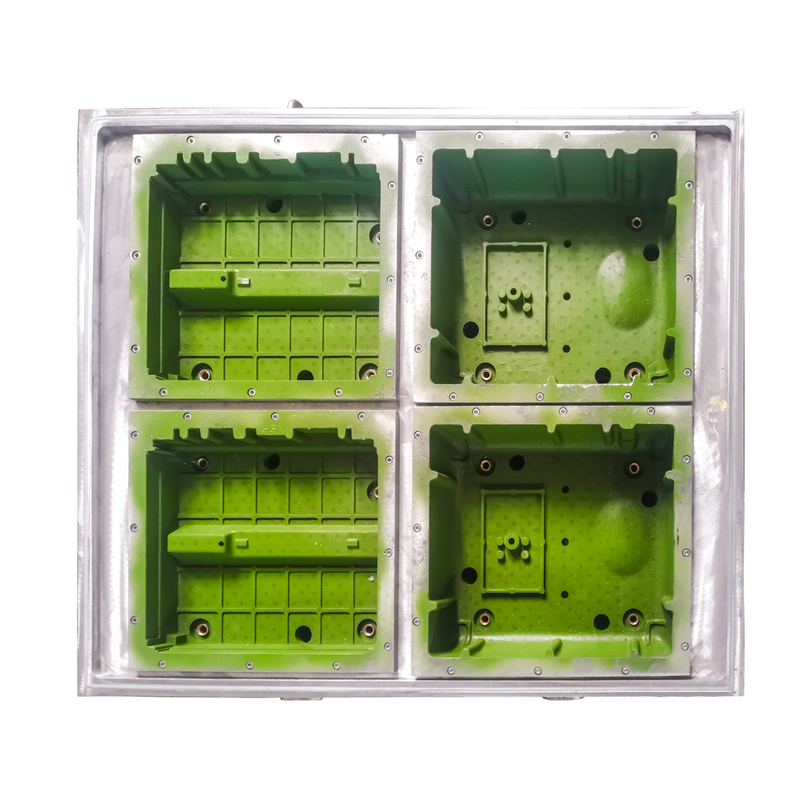
If you require EPS Foam Moulds, please contact us for more information. We are here to help you find the right equipment and solutions for your EPS production needs.
A: EPS foam is primarily made from polystyrene, derived from the polymerization of styrene.
A: Polystyrene is produced through the polymerization of styrene, which is derived from crude oil and natural gas.
A: EPS foam can contribute to landfill waste, but recycling and biodegradable options are being developed to mitigate this impact.
A: Yes, EPS foam can be recycled, although challenges exist in collection and processing.
A: Common uses include packaging, insulation, and construction materials.
A: Fangyuan promotes recycling initiatives and offers advanced machinery for efficient EPS production.