- All
- Product Name
- Product Keyword
- Product Model
- Product Summary
- Product Description
- Multi Field Search

Views: 12 Author: Site Editor Publish Time: 2026-08-12 Origin: Site


You need flexible parts for your products, but standard rubbery plastics are often heavy and break easily. You can fix this issue by using expanded thermoplastic polyurethane. This advanced plastic creates a lightweight shape that bounces back with lots of energy. Factory makers also name this special material engineered thermoplastic polyurethane.
Material | Typical Energy Return (Rebound Rate) |
|---|---|
ETPU Foam | Over 60% |
Traditional EVA Foam | 35% – 45% |
Engineered thermoplastic polyurethane changes how modern factory goods work. Its strong physical features help many everyday uses.
The sealed bubble structure of ETPU squeezes down and quickly bounces back, giving return energy during action. This special trait creates its high bounce rates.
Material | Weight Per Volume Range (g/cm³) |
|---|---|
TPU Foam (ETPU) | 0.15 - 0.25 |
ETPU foam gives back over 60% of energy, offering great bounce and light padding for top-quality gear.
Companies use careful heat molding to form ETPU into long-lasting shoes, car parts, and safety sports equipment.
ETPU keeps its form at 80 °C and holds up against tough use far better than standard EVA foam.
Factories can easily melt and recycle ETPU foam waste into brand-new, high-quality items to lower landfill trash.
Looking at the inner design helps you understand engineered thermoplastic polyurethane. Makers create engineered thermoplastic polyurethane using flexible soft parts mixed with stiff hard parts. These different pieces join together to give thermoplastic polyurethane strong properties for many tasks. A closed-cell cellular foam design holds tiny gas bubbles inside small pockets inside the material.
This sealed design makes the material spring back better than open-cell options. The small blocked cells help the material bounce back fast after you press it down.
Property or Feature | Description or Value |
|---|---|
Microstructure | Closed-cell honeycomb cellular structure |
Cell Diameter | 50 to 104 μm |
Resilience Rate | Reaches 60–70% |
Tensile Strength | 12 – 15 MPa |
Elongation at Break | 400 – 500% |
These blocked cells help form a tough frame that stays light. This clever layout gives you great springy performance.
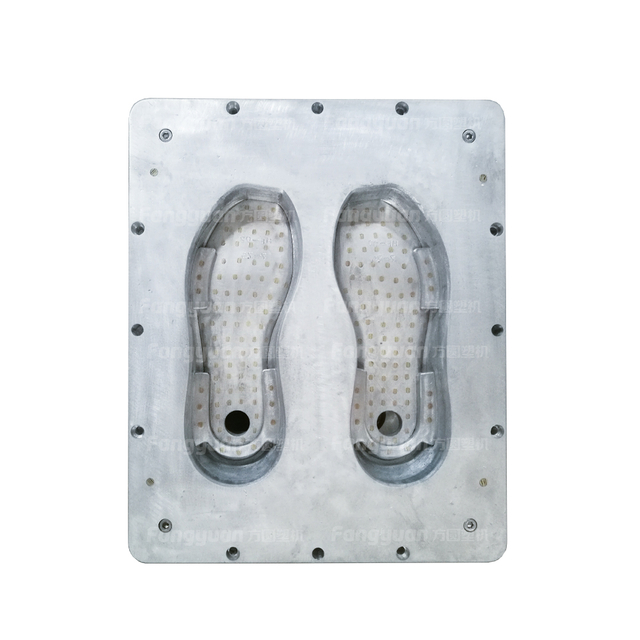
Factories use a steam-bead expansion process to build different products. They place chemical resin beads inside specialized etpu shoe sole molding machines. Hot steam softens these beads and blows them up fast inside the tool. The etpu material pops open just like popcorn inside a closed container. Factories need careful molding to turn these expanded beads into solid pieces. Good molding holds the shape. Right molding heat melts the expanded beads together tightly. Strong etpu items come out of the tool after cooling.
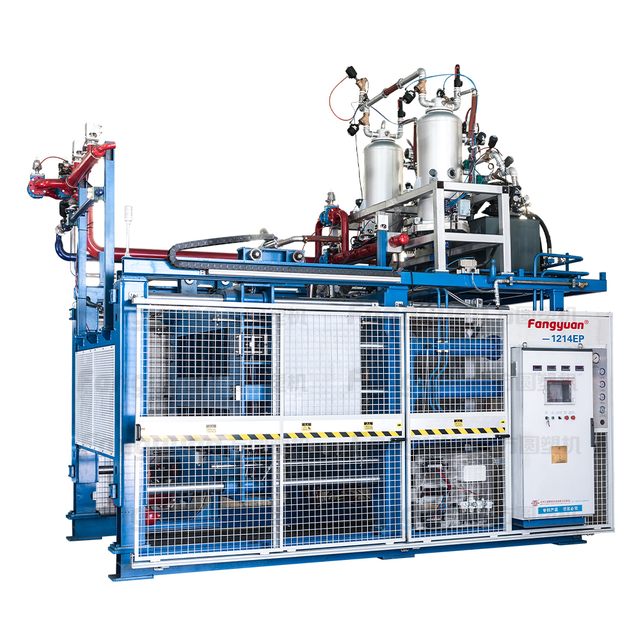
Modern etpu shoe sole molding machines use exact mechanical parts. These smart etpu shoe sole molding machines help make better products:
Precision Molding Systems: Double-pressure spaces spread the beads out evenly.
Steam Control: Double steam valves keep the heating cycles steady.
Automated Hydraulics: Pressure-control valves keep the mold clamped tight.
Energy Efficiency: Covered steam spaces use less power during molding.
Automation Control: PLC screens track every molding step right away.
Engineered thermoplastic polyurethane offers factories many great design options. You receive bendable parts every time engineered thermoplastic polyurethane gets careful molding in factory setups. Engineered thermoplastic polyurethane changes the way factories make footwear.

Choosing engineered thermoplastic polyurethane gives your industrial products many great physical benefits. This smart cellular polymer mixes soft bendy flexibility with tough structural strength. It helps your items last longer and work better across many demanding tasks.
ETPU provides amazing bounce when hitting surfaces over and over again. Its sealed closed-cell inside springs back right away after being squished down. This fast action gives your finished product great bounce back capabilities. These energy return traits push kinetic energy right back out during movement.
Engineered thermoplastic polyurethane creates a dependable shock absorber for athletic gear. Standard laboratory drop-ball impact tests measure this springy behavior very carefully.
A drop ball resilience equipment (PMLQ-500) drops a 16 mm steel ball from a fixed distance of 500 mm down to the surface of the test specimen to record the maximum rebound height.
This simple test shows how etpu saves mechanical energy during heavy motion. You get great cushioning and shock absorption for running shoes and protective gear. The special inner setup stays strong through thousands of constant squashes.
You want bendable materials that handle tough weather without losing shape or breaking apart. Heat resistance is a major benefit of engineered thermoplastic polyurethane. Tests show that working heat at 80 °C does not hurt etpu structure. Its internal cellular matrix stays solid under hot sun.
This flexible polymer foam also stands up well against surface rubbing and tearing. Tough chemical polymer bonds make the expanded material extra durable on rough ground. Your custom items keep working well through long periods of daily use.

Top companies pick engineered thermoplastic polyurethane for tough job demands. The smart design offers great durability in different business areas. Let us see how major field industries use these expanded pieces today.
Application Segment | Key Consumption/Share Metric (2023) |
|---|---|
Footwear | Consumed over 18,000 metric tons; dominates the application landscape. |
Building & Construction | Around 7,200 metric tons used in Europe and U.S. projects. |
Automotive | Used nearly 10,500 metric tons; German & Japanese OEMs accounted for 48% of consumption. |
Electronics | Represents about 7% of total market share. |
Others (Sports, Healthcare, etc.) | Segment saw a 12% rise in consumption during the year. |
Shoe companies create strong athletic footwear with light foam parts. Designers pick special foam layouts to give players extra energy return. An etpu midsole offers more spring than old EVA midsoles. Factories run steam molding to shape every etpu midsole correctly. Employees wear safety footwear during hard daily shop shifts. You will notice safety footwear relies on engineered thermoplastic polyurethane to shield feet against sharp points. Proper steam molding shapes safety footwear parts with reliable crash protection.
The custom molding creates long-lasting soles that stand up to work. Tough safety footwear needs bendy pads next to hard toe covers. Smart molding puts soft foam inside safety footwear designs. Careful molding steps keep safety footwear very light. Using engineered thermoplastic polyurethane this way cuts down on total physical tiredness. Strong safety footwear shields workers standing on flat concrete floors. Good molding allows safety footwear to block harsh oil and chemical spills.
Busy plants find new uses of etpu outside shoe production. Clinics pick medical gear built from clean polymer shapes. Key medical uses feature small tubes, fluid lines, and breathing masks. Medical teams pick medical items since the soft material bends smoothly without snapping. Smooth medical tool molding builds clean edges for user safety. These medical devices hold tight shapes even after heavy cleaning routines.
ETPU... Its rubber-like elasticity, chemical resistance, and fatigue life make it increasingly attractive for industrial vibration-damping components, gaskets, and wearable protective equipment.
New automotive tpu applications raise daily cabin comfort inside vehicles. Auto builders put automotive foam into soft seats, head rests, and sound insulation mats.
Application Area | ETPU Suitability |
|---|---|
Industrial Vibration Damping | Rated as Ideal (★) |
Gaskets | Implied as Suitable (via shared properties) |
Plant engineers choose additional uses for heavy field jobs. Athletic protective equipment relies on soft foam pads during hard physical matches:
Helmet liners: Impact absorption and durability
Body armor padding: Impact absorption and durability
Shoulder pads: Impact absorption and durability
Shin guards: Impact absorption and durability
Crash protection (motorsports/winter sports): Impact absorption and durability
This thick padding provides great springy power during hard hits. High stretch lets dynamic gear wrap around your body smoothly. The gear brings essential defense for fragile head joints. Workers also place tough outer wrapping and shipping foam around delicate gear cargo. Exact molding steps ensure steady work across tough factory setups.
Comparing ETPU to standard EVA foam highlights major performance improvements. Manufacturers produce this special engineered thermoplastic polyurethane foam using high-pressure physical gases like CO₂ or N₂. Standard EVA relies on chemical blowing agents during production instead. Physical expansion forms stronger resistance against crushing and builds superior springiness. Over time, EVA foam flattens out under continuous weight. Meanwhile, the ETPU structure stays firm despite endless heavy impacts.
Foam Type | Energy Return (%) |
|---|---|
ETPU | 70 - 75 |
EVA (traditional) | 50 - 65 |
Greater rebound energy provides your gear with a much springier touch. Factory techniques shape this tough plastic into lightweight parts. Exact heating fuses the expanded beads together tightly. Careful molding maintains high bounce over many thousands of uses. Ultimately, engineered thermoplastic polyurethane offers far better lasting reliability.
Today's manufacturing plants prefer eco-friendly production options. Standard cross-linked EVA foam gets dumped into landfills once discarded. Fortunately, you can reprocess expanded plastic pieces back into production runs. Advanced machines handle remaining scrap materials very effectively.
Underwater pelletizers handle materials like EPS, XPS, and ETPU.
Plants melt leftover scraps back into fresh usable beads. You can create valuable new items using specialized recycling methods:
Factory Foam Waste: The Blumaka method allows workers to recycle 100% of scrap foam into fresh shoe parts.
Used Consumer Foam: Workers can gather and reuse 75% of worn shoe foam to make new footwear items like slides.
Used shoe foam gets transformed back into quality footwear instead of turning into cheaper, low-grade products.
Gentle steam processing fuses recycled beads into brand-new shoes. Accurate molding restores full physical strength to recycled components. This green method reduces factory waste and preserves our natural environment.
You gain physical advantages when you select engineered thermoplastic polyurethane for modern manufacturing. This light foam delivers rebound resilience over 60% and maintains thermal stability at 80 °C. Its closed-cell matrix absorbs heavy impacts during daily action.
Advanced steam molding methods drive innovation across critical industrial sectors. Manufacturers craft strong parts for running footwear, comfortable automotive cabins, and clean medical tools. These practical uses reduce physical fatigue while shielding fragile equipment.
Recyclable foam polymers like etpu expand sustainable industrial design possibilities. Factory teams can reprocess scrap material into new quality components efficiently. You protect our natural environment by adopting these innovative etpu solutions for modern commercial applications.
This special material gives you much higher energy back when pushed. It bounces back at over 60%, while regular EVA foam bounces far less. ETPU keeps its shape after hard hits, helping your items last longer without getting flat.
Yes, people can easily melt down and rebuild ETPU parts again. Workers turn leftover foam pieces back into new raw beads for fresh items. Special recycling systems even let companies turn all their unused shop foam straight into new shoe parts.
This strong material works great inside very tough spaces without breaking. It keeps its form even when heated up to 80 °C. Tough internal bonds also protect it from scraping, tearing, or wearing down on rough surfaces.
Car makers use this foam inside soft seats, head rests, and sound mats. Healthcare teams turn it into bendy medical tubes and face masks. Sports companies also shape it into safe helmet pads and protective body armor.