- All
- Product Name
- Product Keyword
- Product Model
- Product Summary
- Product Description
- Multi Field Search

Views: 33 Author: Site Editor Publish Time: 2026-08-14 Origin: Site


You lose money and time when eps moulding defects ruin your foam products. Factories often deal with surface burns, empty spaces inside, bent shapes, and weak bead bonding. Fortunately, you can fix these normal problems fast without buying pricey new machines. Changing your steam pressure, cooling times, and material feeding settings will solve most of these factory mistakes right away. Carefully adjusting steam valves spreads heat evenly through the whole mould. Accurate cooling timers keep the shape steady before the part pops out. Finally, setting the right air pressure removes shape flaws and keeps product thickness even.
Change the steam pressure and cooling timers to fix standard foam shapes and weak joins fast.
Keep the indoor air moisture under 65% to stop foam from getting surface cracks and dark spots.
Lengthen the vacuum cooling time to prevent warm foam pieces from shrinking and warping after they are removed.
Clean the mold vents often in tanks with liquid cleaners to get rid of dirt, trapped air, and hollow spaces inside.

Surface flaws disrupt your production schedule and increase costly material waste. Incorrect steam penetration and raw material moisture cause major problems during production runs. You will face poor bead fusion, surface cracks, voids, and air pockets when steam does not heat the core properly.
Steam Mechanism | Consequence for Bead Fusion |
|---|---|
Insufficient Penetration | Beads fail to soften in thick sections, causing weak, granular centers. |
Superheated Steam | Bead surfaces dry prematurely, creating weak joints during processing. |
Wet Steam | Energy evaporates water instead of bonding beads, extending cycle times. |
The fusion mechanism involves steam permeation and bead softening. The degree of fusion peaks around a specific steam pressure of 0.10-0.11 MPa and then declines due to surface sealing that hinders further steam penetration.
Trapped air creates internal empty spaces during processing. You see common injection molding defects when low molding pressure fails to push trapped air out of the cavity. Fast injection speeds push material too rapidly, which creates jetting along the product wall. Poor gate positioning disrupts smooth flow. You can fix jetting by slowing the filling process and balancing valves across all entry points. You must adjust your cavity design to optimize fill patterns. Moving gate locations or adding extra inlets offers actionable solutions for poor fill paths.
Wait, no code block allowed!
Uneven cooling traps air pockets inside the part. Material near the mold wall solidifies faster than the core. This temperature difference causes delamination and internal voids. Poor weld lines form where separate material streams meet improperly. You must add proper vent channels or grooves along parting lines. Otherwise, trapped air forces parting surfaces apart, which creates delamination. Adding proper venting lets trapped air escape smoothly during high pressure injection.
Excessive moisture inside raw material causes serious surface delamination and severe product flaws. High moisture content creates steam pockets that leave deep surface cracks on finished parts. Elevated moisture content also causes dark contamination and discoloration on outer walls. You must keep ambient room humidity below 65% to prevent raw foam beads from absorbing unwanted water prior to heating.
Low molding pressure cannot force trapped air out of the mold space.
Extra water steals heat energy away from foam bead surfaces while heating.
Grimy oil ruins delicate bead walls and creates visible surface marks.
External dirt or lubricant contamination creates severe surface defects. You can see how to fix dark discoloration by cleaning raw material hoppers and air vents regularly. Clean fans and ventilation ducts regularly to prevent moisture buildup. You can learn how to fix surface cracks by lowering steam cycle times. Balancing your filling valve pressure shows you how to fix density variations across complex geometry. Correct steam control eliminates surface scorch and prevents physical cracks across the outer surface. Proper mold design prevents weld line defects and keeps your output clean. High quality molding relies on clean air channels, correct gate locations, and accurate moisture control.
Foam items shrink and twist when cooling is incomplete and pre-expansion goes wrong. High-expansion beads (50–80×) change shape much more than standard-expansion beads (40–50×) do. These lighter foam grades require extra stabilization time to set properly. This physical behavior matches dimensional stability standards in ASTM C578. You must control pre-expansion ratios to match your target foam weight. Maintaining a tight density tolerance (±1 kg/m³) for insulation boards limits post-ejection dimensional shifts. Poor storage areas also make post-expansion warping worse after parts leave the machine. Stacking heavy items on fresh block stock compresses warm internal bead structures before full stabilization occurs. In addition, cold air currents in the storage area shrink outer foam layers faster than warm internal cores, which creates strong internal tension.
Root Cause Category | Specific Factor | Effect on Shape and Stability |
|---|---|---|
Pre-expansion | Bead density mismatch | Foam becomes weak and loses shape during cooling. |
Timing | Short aging time | Unbalanced internal pressure causes severe warping defects. |
Cooling | Early demolding | Residual heat distorts edges and bows flat boards. |
Storage | Poor ventilation | Weight and heat create internal cracks and deformation. |
Demolding too early can cause bending. Board products need enough cooling time to stabilize shape before handling.
You can learn how to fix dimensional instability by optimizing cycle times. Extend your vacuum cooling duration until thick blocks (≥1,200 mm) reach a core temperature of ≤35°C. Allow 24–48 hours of ambient stabilization before cutting large blocks into thin insulation sheets. Lower your steam chest pressure during the final heating stage to prevent dimensional movement. High fill forces pack extra air straight into internal foam spaces. Trapped air pushes mold cavity walls apart during processing, causing outer delamination. You can learn how to fix this problem by placing dedicated air vents at the end of the fill area. Proper air venting ensures consistent density and protects long-term structural integrity during high speed molding runs.
High heat stress causes deep cracks inside parts when they drop out. Uneven fill speed across deep cavity zones causes uneven density throughout your product. Fast material injection pushes foam beads unevenly into complex cavity sections. This rapid injection creates strong jetting along thin mold channels. High injection pressure causes jetting when material enters narrow cavity gates. Correct cavity design stops material stream separation and balances foam distribution. Proper mold design improves your overall injection process. Uneven density weakens structural load capacity. This uneven density leads to mechanical failure. Proper filling balance ensures that each cavity corner fills completely without premature packing.
Poor filling traps extra air inside, which breaks internal layers apart. High raw material foam conditions affect product quality. Extra moisture steals thermal energy during the heating cycle. High excessive moisture reduces bead adhesion and creates fine surface cracks across walls. Uneven steam distribution creates localized hot spots and physical defects. Poor fusion between meeting foam streams leaves a weak weld line. A weak weld line reduces impact strength under direct loads. You can learn how to fix mechanical weakness by adjusting injection speed and rebalancing steam valves. Smooth injection flow eliminates internal empty spots. Consistent injection pressure prevents deep fractures and creates uniform parts across every molding cycle.
You prevent major molding defects by keeping strict machine settings. Regular maintenance keeps product quality high.
Accurate steam delivery stops bead separation. Calibrated sensors control the heating process during production cycles. Steady vacuum cooling removes heat fast to stop part warping after ejection.
Parameter | Key Role in Process | Defect Prevention Purpose |
|---|---|---|
Steam Distribution | Ensures uniform steam flow through the bead bed inside the mold. | Prevents localized under-fusion between beads. |
Steam Pressure & Timing | Controlled in stages to properly fuse beads. Total steam time varies based on specifications. | Ensures complete bead fusion for proper mechanical properties. |
Cooling | Uses vacuum cooling to remove heat rapidly via flash evaporation. | Prevents post-ejection expansion and dimensional distortion. |
Mold Condition | Refers to the state of seals, surfaces, and steam plates. | A preventive schedule avoids defects from tooling wear. |
Calibrating your injection pressure controls bead flow. You learn how to fix fill errors by checking line pressure daily. Proper injection speed drives consistent raw material feed across all areas. Consistent injection timing protects part quality during long runs.
Dirty air vents trap excessive moisture inside cavity walls. This trapped moisture content ruins surface finish during heating. High injection force packs dirt into narrow vent slots. You discover how to fix flow blocks by soaking vent plugs in solvent tanks.
Clean vent paths stop physical contamination from staining white foam. Regular cleaning solves every cross-contamination issue across different material batches. Trapped oil contamination damages fresh bead surfaces. Continuous injection force clears air when vents stay clear. Proper injection speed combined with clean steam slots accelerates total core heat transfer. Smooth airflow shortens total cycle time and improves overall quality standards during daily production runs. Clean tooling guarantees stable density and predictable ejection times.

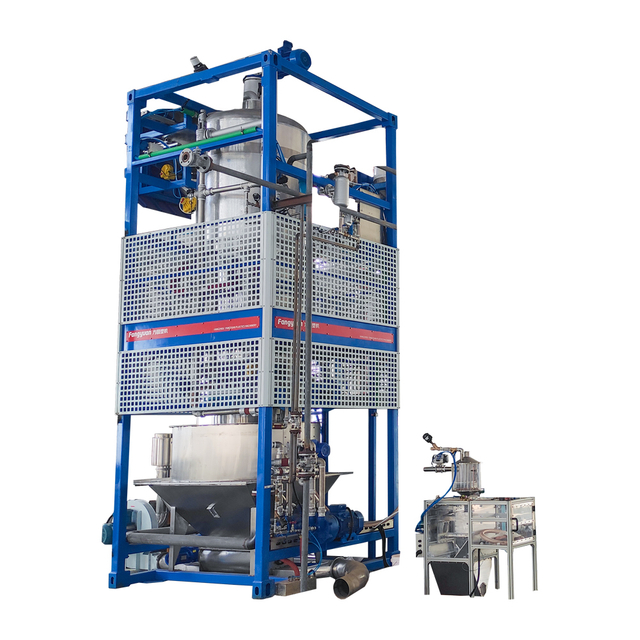
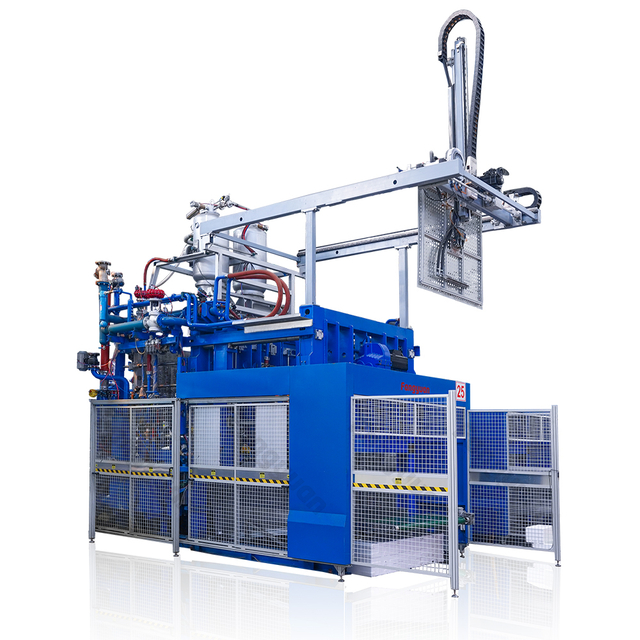
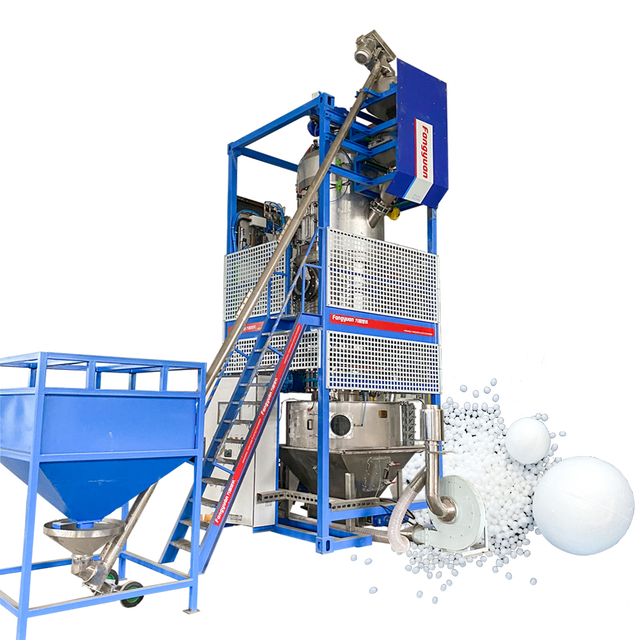
Upgrading your factory gear helps you fix common EPS moulding defects easily. Hangzhou Fangyuan Plastics Machinery Co., Ltd makes high-quality EPS and EPP equipment. We handle everything from research and building to sales and customer support. Our factory holds ISO9001:2015 quality credentials and EU CE safety approvals. We also own more than 50 special inventions and design patents. Check out our full line of advanced EPS Machines to upgrade your plant today.
Top-grade machines keep your daily heat levels steady and balanced. We build steam systems using digital valves for precise positioning. This smart setup spreads heat evenly into every corner of the mould. Proper heating stops surface burning and prevents internal empty gaps during each run. Exact steam control maintains correct density levels across all your products. You get solid quality while cutting down on wasted material. Smart sensors track pressure continuously during quick molding jobs.
Smart automation makes your daily factory work much easier. Our new machines use computer controls to feed raw materials accurately. This careful control prevents extra material from squeezing into deep mould areas. Smooth hydraulic systems close moulds quickly without wearing out mechanical parts. Clever mould designs help steam pass right through thick foam blocks faster. Quick air vents let trapped air out right before heating starts. Automatic pushers remove finished foam parts gently without cracking surfaces.
We build custom setups to fit your specific factory layout. Look through our full turn-key plant solutions to design fast new production lines. You can browse all our machinery products for different packaging needs. Our helpful technical team gives worldwide support through fast service options. Modern tool design keeps your process running smoothly without sudden delays. Talk to our team today to boost product quality and increase daily production output.
You can fix standard product flaws on your factory floor using this quick troubleshooting guide.
Floor Problem | Primary Root Cause | Floor Corrective Action |
|---|---|---|
Internal Voids | Blocked Air Vents | Clear Cavity Vent Channels |
Surface Warping | Short Vacuum Time | Extend Vacuum Cooling Duration |
Weak Fusion | Low Steam Pressure | Raise Steam Chest Pressure |
Plant workers discover how to fix repeated eps moulding defects by tracking daily settings. Routine equipment tuning helps balance your regular factory operations. Checking sensors frequently stops unexpected pressure loss during busy work hours. Maintain exact controls to guarantee steady output all the time.
You repair weak fusion by increasing steam chest pressure to 0.10-0.11 MPa. Inspect steam quality to guarantee dry heat flow. Also, lower raw material water levels. Unclog dirty vents to let heat pass completely through the bead core during heating cycles.
Taking parts out too soon and short vacuum cooling create bent shapes. High-expansion foam beads need extra resting time. Increase vacuum cooling times until thick block centers cool to ≤35°C. Rest parts for 24–48 hours indoors before slicing foam boards to hold exact sizes.
Clean air vents allow trapped air to leave easily during high-pressure filling. Open airways stop trapped moisture, surface burns, and hollow spots inside. Dip dirty vent plugs in cleaning solution often. Free vent paths keep product weight even and remove dark stain spots.
Trapped air makes empty spaces inside when weak filling force cannot push air out. Quick filling speeds also trap air pockets. You fix empty spaces by slowing filling speeds, adding extra seam vent lines, and moving entry points to balance mold filling pathways.